

- Haber Akışı
- KEŞFEDIN
- Sayfalar
- Etkinlikler
- Bloglar
-
 Hakkımızda
Amicable Debt Collection Solutions for Businesses: Strategies That Work
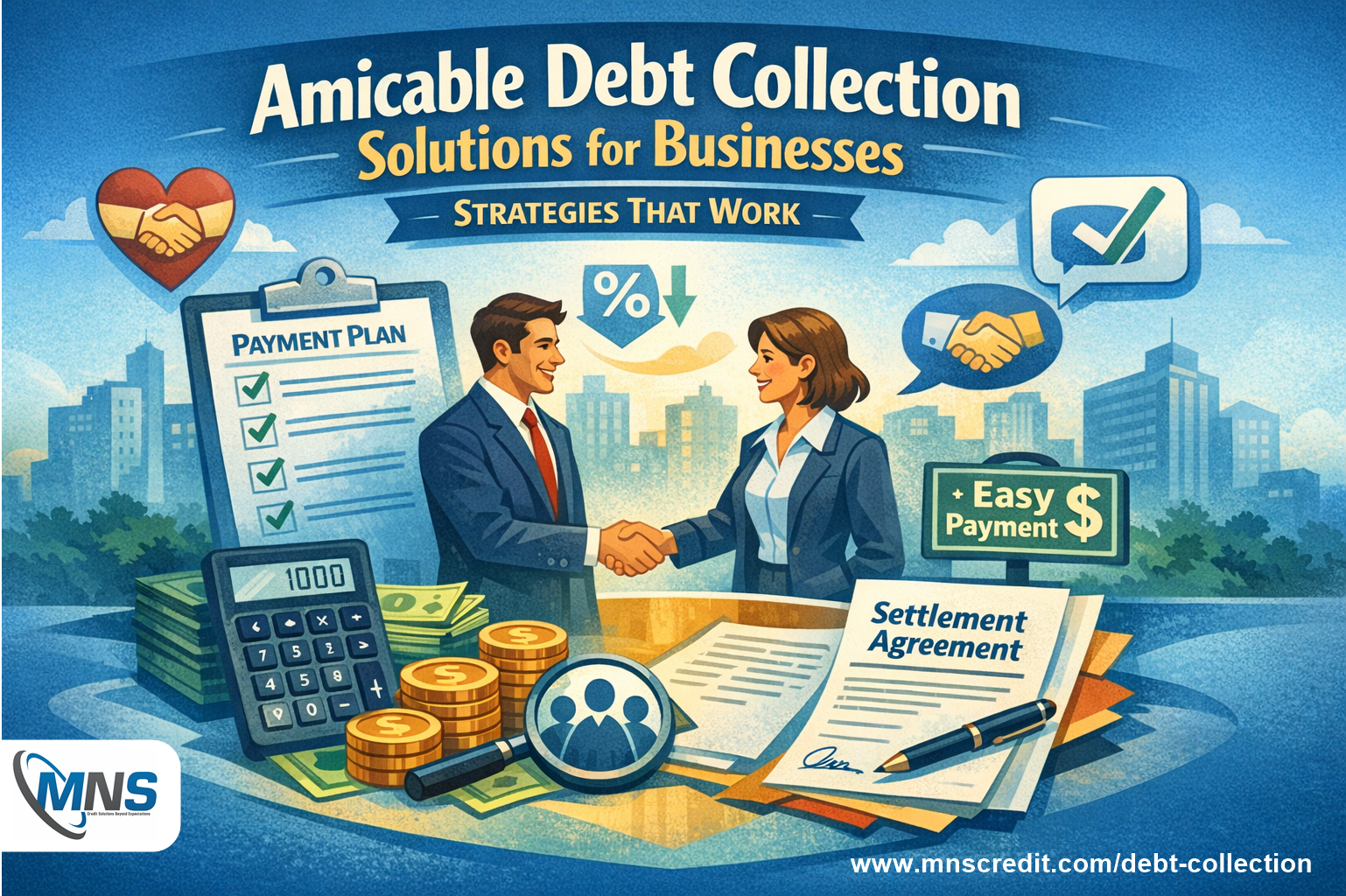
Amicable Debt Collection
When a customer fails to pay on time, the instinct for many business owners is to escalate quickly — send a stern letter, threaten legal action, or hand the account straight to a collections firm. While these tactics have their place, jumping to confrontation too soon often destroys business relationships that took years to build, reduces the likelihood of voluntary repayment, and creates unnecessary stress for everyone involved.
Amicable debt collection takes a fundamentally different approach. Rather than treating a non-paying client as an adversary from the outlet, it treats the overdue payment as a problem to be solved collaboratively. This philosophy, when applied consistently with the right strategies, consistently produces better recovery rates and improved long-term business outcomes than adversarial approaches.
Strategy 1: Early and Proactive Communication
The single most effective amicable debt collection strategy is also the simplest: communicate early. Do not wait until an invoice is 60 or 90 days overdue before making contact. A friendly reminder sent a few days before the due date, followed by a courteous follow-up the day after a missed payment, signals professionalism and keeps the conversation open.
Early outreach gives the debtor an opportunity to flag genuine issues — a processing error, a dispute about the invoice, or a temporary cash flow problem — before they become entrenched. Many overdue payments are the result of administrative oversights rather than deliberate non-payment. Catching them early through proactive communication resolves the majority of cases without any further escalation.
Strategy 2: Understanding the Reason for Non-Payment
Not all overdue accounts are the same. A client who missed a payment because of a billing dispute has a very different situation from one experiencing financial difficulties or one who is simply avoiding their obligations. Effective amicable collection begins with understanding which category applies.
During initial outreach, ask open-ended questions: Is there an issue with the invoice? Has there been a change in payment processes on your end? Is there anything we can help resolve? These questions gather actionable information and demonstrate goodwill. Clients who feel heard are significantly more likely to engage constructively than those who receive only formal demand notices.
Strategy 3: Flexible Payment Arrangements
For clients experiencing genuine financial difficulties, offering structured payment plans is often the most effective path to recovery. A client who cannot pay $10,000 today may be entirely willing and able to pay $2,000 per month over five months. Refusing to accommodate reasonable flexibility in these situations often results in nothing being recovered at all.
When structuring payment arrangements, document everything formally — the agreed schedule, amounts, and consequences of default — but communicate the arrangement in a tone that reinforces the collaborative nature of the solution. Flexible arrangements, when managed properly, recover money that rigid approaches lose entirely.
Strategy 4: Graduated Escalation
Amicable collection does not mean passive collection. A structured escalation process ensures that each step increases appropriate pressure while remaining within the bounds of professional conduct. A typical graduated approach moves from a friendly reminder, to a formal payment notice, to a letter from senior management, to engagement of a professional debt collection agency — with each stage clearly communicated to the debtor in advance.
This transparency is itself a powerful tool. Clients who understand that continued non-payment will result in third-party involvement are often to resolve the matter before that stage is motivated. The graduated approach maintains the possibility of amicable resolution at every step while demonstrating that the creditor is serious about recovery.
Strategy 5: Clear and Professional Written Communication
The tone and quality of written communication throughout the collection process matters more than most businesses appreciate. Vague, unprofessional, or emotionally charged messages reduce response rates and give debtors reasons to disengage. Clear, professional, factual communication — stating the amount owed, the original due date, and the specific next steps if payment is not received — gets better results.
Every written communication should include a clear call to action and a specific deadline. Open-ended requests for payment are easy to ignore. A letter that states a payment or response is required within ten business days creates a concrete timeline that is much harder to dismiss.
When Amicable Approaches Have Run Their Course
Amicable strategies are powerful, but they are not infinite. There comes a point — typically after 60 to 90 days of structured attempts without meaningful progress — when professional intervention becomes necessary. Engaging a reputable debt collection agency at this stage is not a contradiction of the amicable philosophy; it is the natural conclusion of a process that has been managed responsibly.
Conclusion
Amicable debt collection is not a soft option — it is a sophisticated, strategic approach that consistently outperforms confrontational tactics in both recovery rates and relationship preservation. Businesses that invest in building and following amicable collection processes recover more money, maintain more client relationships, and spend less management time and legal expense resolving payment disputes. In a competitive business environment, that combination of outcomes is not just desirable — it is a genuine competitive advantage.
