

- Haber Akışı
- KEŞFEDIN
- Sayfalar
- Etkinlikler
- Bloglar
-
 Hakkımızda
Which Type of Kids Car Works Best for Different Ages
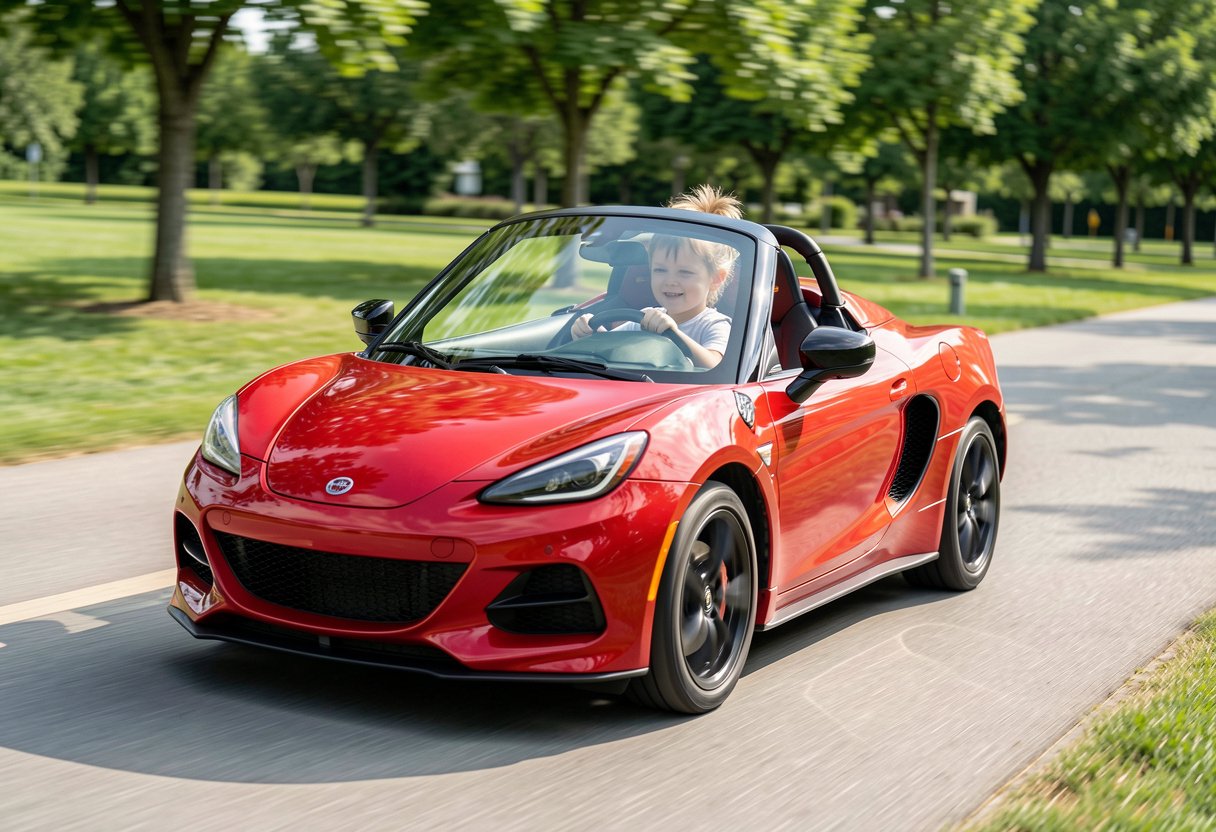
Ride-on toys are a staple of childhood. Watching a child steer their first kids car can be a magical experience, filled with laughter, confidence-building, and independence. From toddlers pushing themselves along in a simple push car to older children driving kids electric cars with motorized power, ride-on vehicles combine fun and learning in a single package.
Choosing the right type of car depends on your child’s age, motor skills, and the environment in which they will be used. This guide explores the differences between push cars, battery cars, and electric cars, helping parents make the safest and most enjoyable choice.
Push Cars: Perfect for Toddlers and Beginners
For children aged 1 to 3 years, push cars are ideal. These simple, non-motorized vehicles allow toddlers to learn the basics of movement and balance in a controlled, low-risk way.
Benefits of Push Cars
Push cars encourage toddlers to develop:
- Leg strength and coordination: Using their legs to push themselves forward strengthens muscles.
- Balance skills: Maneuvering a small car develops core stability.
- Confidence and independence: Children feel empowered when they can move on their own.
These cars are lightweight, easy to maneuver, and usually made from safe, durable plastics.
Safety Considerations
Supervision is essential with toddlers using push cars. The flat indoor floor or enclosed outdoor areas are best. Look for push cars with stable wheels, a low center of gravity, and rounded edges to reduce tipping risk.
Push cars are ideal for playdates, indoor spaces, and small outdoor patios, providing toddlers a safe introduction to ride-on toys.
Battery Cars for Kids: Suitable for Ages 3 to 6
Once children reach around three years of age, a battery car for kids can be an exciting next step. Battery cars are motorized, giving young children the thrill of driving with limited speed and control.
Advantages of Battery Cars
- Motorized movement: Children can enjoy powered rides without fatigue.
- Skill development: Steering, stopping, and accelerating improves hand-eye coordination.
- Safety features: Many battery cars include seat belts, horns, and lights for engaging, safe play.
Battery cars typically operate at lower speeds, which makes them perfect for younger children who are not yet ready for faster rides. Parents can monitor them closely while allowing a sense of independence.
Parental Supervision Tips
Even though battery cars are designed for safety, supervision is recommended. Check the terrain, avoid steep slopes, and ensure that children do not ride near traffic or hazardous areas.
Battery cars can be used on:
- Driveways
- Lawns or parks
- Open yards with supervision
Kids Electric Cars: Ideal for Ages 5 and Above
As children grow older, typically from five years onward, kids electric cars provide an advanced and realistic driving experience. Electric cars for kids may resemble full-sized vehicles and often include adjustable speed, rechargeable batteries, and sometimes remote control features for parents.
Benefits of Kids Electric Cars
- Independent mobility: Older children enjoy riding without constant physical effort.
- Realistic experience: Designs often mimic real cars with steering wheels, horns, and lights.
- Longer rides: Higher battery capacity allows extended playtime outdoors.
- Skill building: Children learn coordination, judgment, and spatial awareness.
Electric cars encourage children to navigate their environment responsibly. Parental remote control systems can enhance safety by allowing adults to limit speed or stop the car if necessary.
Comparison Table: Push Cars vs Battery Cars vs Electric Cars
| Feature | Push Cars | Battery Car for Kids | Kids Electric Car |
|---|---|---|---|
| Age Range | 1–3 years | 3–6 years | 5+ years |
| Power Source | Manual | Battery-powered | Battery-powered with optional remote |
| Speed | Determined by child | Low, controlled | Adjustable, higher speed options |
| Safety Features | Stable wheels | Seat belts, horns, low speed | Remote control, seat belts, lights |
| Skill Development | Balance, leg strength | Coordination, hand-eye control | Spatial awareness, navigation, confidence |
| Recommended Play Area | Indoors/flat surfaces | Lawns, yards | Open safe outdoor areas |
This table helps parents see at a glance which type of car is most suitable for their child’s age, skill level, and play environment.
Choosing the Right Car Based on Age
Selecting the appropriate kids car ensures a positive first experience with ride-on toys. Here’s a breakdown:
- Toddlers (1 to 3 years): Push cars develop balance and independence.
- Preschoolers (3 to 6 years): Battery cars teach motorized control safely.
- Older children (5+ years): Electric cars offer realistic driving and skill building.
Parents should also consider their child’s height, weight, and previous experience when selecting a ride-on vehicle. Proper sizing ensures better control and comfort.
Safety Considerations for All Ages
No matter the type of car, safety is essential. Parents should check:
- Tyre quality for stability
- Seat belts for motorized cars
- Speed settings for age-appropriate control
- Terrain to avoid hazards or steep slopes
- Helmet and protective gear for older children
Regularly inspecting the ride-on toy ensures long-term safety and reliability.
Real-Life Travel and Play Scenarios
Bringing a kids car on family trips creates memorable experiences.
- Open Fields: A preschooler can enjoy a battery car in a grassy area while under parental supervision.
- Beach Paths: An older child can ride a kids electric car safely on flat sandy surfaces, experiencing independence.
- Neighborhood Parks: Children can practice turns, stops, and navigation while playing with friends.
These experiences combine fun with skill development, helping children gain confidence and coordination while enjoying outdoor adventures.
Cognitive and Physical Benefits
Riding ride-on cars benefits children in several ways:
- Balance and Coordination: Steering, accelerating, and stopping strengthen motor skills.
- Decision-Making: Choosing direction and speed develops spatial awareness.
- Confidence: Successfully navigating a car builds self-esteem.
- Social Interaction: Riding with peers teaches cooperation and sharing.
All types of cars push, battery, or electric contribute to development appropriate for the child’s age.
Tips for Parents
To make the most of ride-on toys:
- Start with age-appropriate cars and gradually move to more advanced models.
- Teach children safe riding habits before allowing unsupervised play.
- Inspect wheels, brakes, and batteries regularly.
- Provide helmets and protective gear for outdoor rides.
- Ensure the environment is safe, open, and free from traffic hazards.
By following these guidelines, children enjoy both safety and developmental gains.
Conclusion
Choosing the right kids car for a child’s age is key to a safe and enjoyable experience.
- Push cars are ideal for toddlers learning balance.
- Battery cars for kids provide motorized fun for preschoolers with low-speed control.
- Kids electric cars offer older children realistic, supervised driving experiences.
Parents who consider age, safety, comfort, and terrain ensure their children gain maximum enjoyment and developmental benefits from ride-on toys. Investing in age-appropriate kids cars fosters confidence, coordination, and a sense of independence in children while creating countless hours of fun.
Visit for news and updates at www.burdurda.com
