

- Haber Akışı
- KEŞFEDIN
- Sayfalar
- Etkinlikler
- Bloglar
-
 Hakkımızda
Understanding Fatty Liver Treatment and Long-Term Management
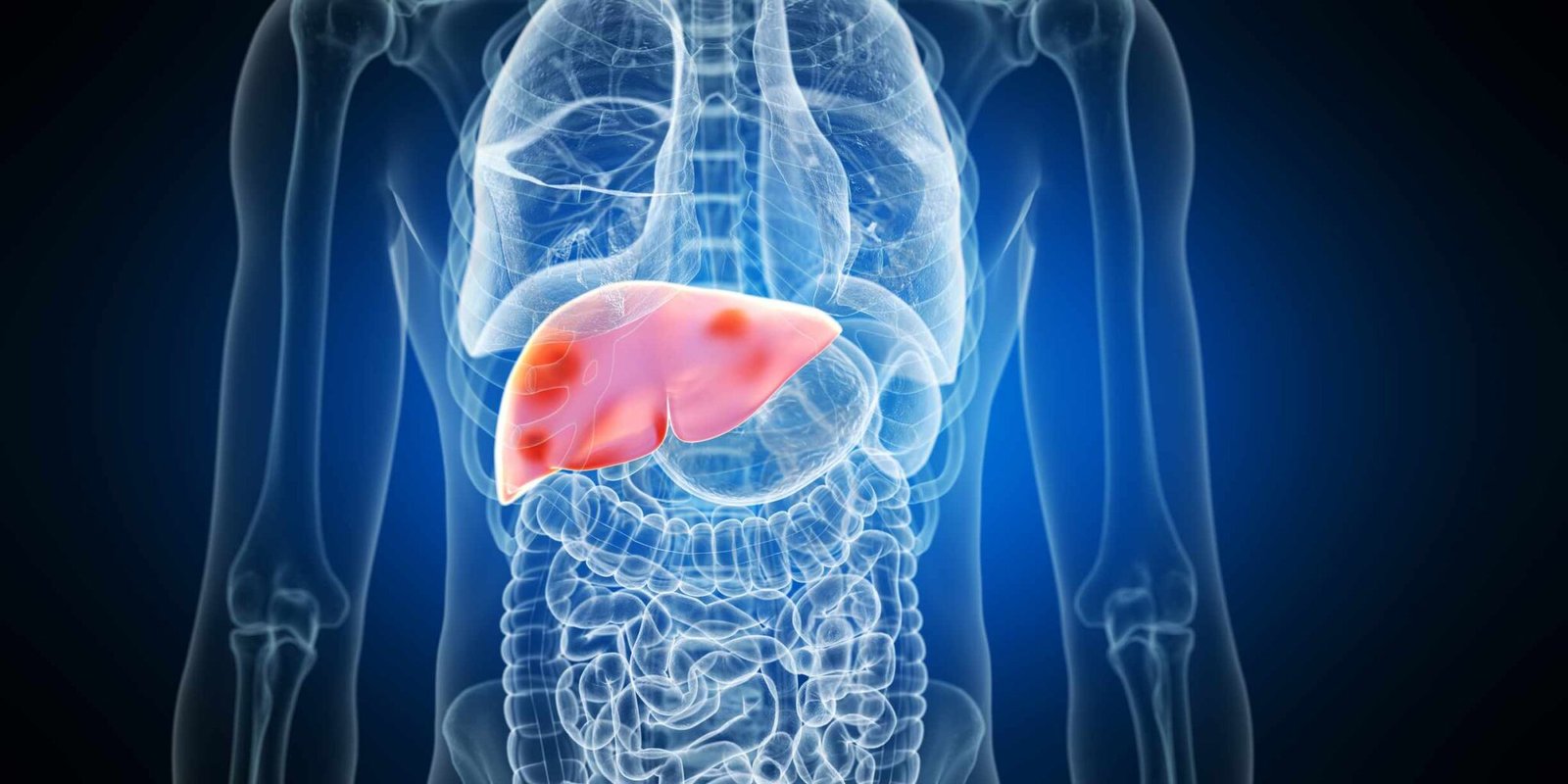
Fatty liver disease is becoming a common health problem in many parts of the world. It affects millions of people and often develops silently without clear symptoms in the early stages. Many people may not even realize they have it until it is detected during routine medical tests or scans.
The condition occurs when excess fat builds up in the liver cells. While small amounts of fat in the liver are normal, too much fat can interfere with how the liver works and may lead to serious health problems over time.
Learning about fatty liver treatment is important because early care and proper lifestyle changes can help reverse the condition and prevent further damage. With the right medical guidance and long-term management, many people can successfully improve their liver health.
What is Fatty Liver Disease?
Fatty liver disease is a condition where fat accumulates in the liver. The liver is one of the most important organs in the body. It helps with digestion, stores nutrients, removes toxins, and supports metabolism.
When fat levels in the liver become too high, the liver may become inflamed or damaged. Over time, this can lead to more serious conditions such as liver fibrosis, cirrhosis, or liver failure if not properly managed.
Fatty liver disease generally develops slowly and may not cause noticeable symptoms in the early stages. Because of this, regular health check-ups are very important.
Types of Fatty Liver Disease
Fatty liver disease is usually divided into two main types.
Non-Alcoholic Fatty Liver Disease (NAFLD)
This is the most common type. It occurs in people who drink little or no alcohol. NAFLD is often linked to lifestyle factors such as obesity, poor diet, diabetes, and lack of physical activity.
NAFLD can further develop into a more serious condition called non-alcoholic steatohepatitis (NASH), where inflammation and liver damage occur.
Alcoholic Fatty Liver Disease
This type is caused by heavy alcohol consumption. Alcohol can damage liver cells and lead to fat buildup in the liver. If alcohol consumption continues, it can lead to more severe liver conditions.
Common Causes of Fatty Liver
Several factors can contribute to the development of fatty liver disease. Some of the most common causes include:
Obesity
Being overweight is one of the biggest risk factors for fatty liver disease. Excess body fat can lead to fat accumulation in the liver.
Poor Diet
Diets high in sugar, refined carbohydrates, and unhealthy fats can increase the risk of developing fatty liver.
Diabetes and Insulin Resistance
People with type 2 diabetes or insulin resistance are more likely to develop fatty liver because the body has difficulty regulating blood sugar and fat metabolism.
High Cholesterol and Triglycerides
Elevated cholesterol and triglyceride levels can contribute to fat buildup in the liver.
Sedentary Lifestyle
Lack of physical activity slows down metabolism and may increase fat storage in the liver.
Certain Medications
Some medications may affect liver function and contribute to fat accumulation.
Symptoms of Fatty Liver Disease
In many cases, fatty liver disease does not cause symptoms in the early stages. However, as the condition progresses, some people may experience:
-
Fatigue or low energy
-
Mild pain or discomfort in the upper right side of the abdomen
-
Unexplained weight loss
-
Weakness
-
Enlarged liver
-
Difficulty concentrating
Because symptoms are often mild or absent, diagnosis usually happens during routine blood tests or imaging scans.
How Fatty Liver Disease is Diagnosed
Doctors use several methods to diagnose fatty liver disease and assess its severity.
Medical History and Physical Examination
The doctor will ask about lifestyle habits, alcohol consumption, medications, and family history. A physical exam may reveal signs of liver enlargement.
Blood Tests
Blood tests help evaluate liver enzyme levels. Elevated liver enzymes can indicate liver inflammation or damage.
Imaging Tests
Ultrasound, CT scans, or MRI scans may be used to detect fat buildup in the liver.
Liver Biopsy
In some cases, a small sample of liver tissue is taken and examined under a microscope. This helps determine the extent of liver damage.
Fatty Liver Treatment Options
The approach to fatty liver treatment usually focuses on reducing fat buildup in the liver and preventing further damage. Treatment often involves lifestyle changes along with medical guidance.
Lifestyle Modifications
Lifestyle improvement is the most effective way to manage fatty liver disease.
Healthy habits can help reduce liver fat and improve overall health.
Weight Loss
Gradual weight loss can significantly reduce fat in the liver. Even losing 5–10% of body weight may improve liver function.
However, rapid weight loss should be avoided because it can worsen liver problems.
Healthy Diet
A balanced diet plays an important role in liver health.
Recommended dietary habits include:
-
Eating more vegetables and fruits
-
Choosing whole grains instead of refined carbohydrates
-
Reducing sugar intake
-
Avoiding processed foods
-
Limiting saturated fats and fried foods
-
Drinking plenty of water
Some doctors recommend a Mediterranean-style diet because it supports liver health.
Regular Physical Activity
Exercise helps the body burn fat and improves metabolism.
Most health experts recommend at least 150 minutes of moderate exercise per week. Activities such as walking, swimming, cycling, or yoga can be beneficial.
Controlling Diabetes and Cholesterol
Managing blood sugar levels and cholesterol is very important for people with fatty liver disease. Proper medical treatment and lifestyle changes can help control these conditions.
Avoiding Alcohol
Alcohol can worsen liver damage. People with fatty liver disease are usually advised to limit or completely avoid alcohol consumption.
Medications for Fatty Liver Disease
Currently, there is no single medication specifically approved to cure fatty liver disease. However, doctors may prescribe medications to manage related conditions.
These may include:
-
Medications for diabetes
-
Cholesterol-lowering drugs
-
Vitamin supplements such as Vitamin E (in selected cases)
-
Medicines that improve insulin sensitivity
Medical treatment is usually combined with lifestyle modifications for better results.
Importance of Long-Term Management
Fatty liver disease is often a long-term condition that requires continuous management. Even if liver fat decreases, unhealthy habits can cause the condition to return.
Long-term management focuses on maintaining healthy habits and regular monitoring.
Key aspects of long-term management include:
-
Maintaining a healthy body weight
-
Following a balanced diet
-
Staying physically active
-
Regular medical check-ups
-
Monitoring liver function tests
Consistent care helps prevent complications and supports better liver health.
Possible Complications if Untreated
If fatty liver disease is not properly managed, it can progress to more serious liver conditions.
These complications may include:
Liver Inflammation
Persistent fat accumulation can lead to liver inflammation, which damages liver cells.
Fibrosis
Fibrosis occurs when scar tissue begins to form in the liver due to repeated injury.
Cirrhosis
Cirrhosis is a severe stage of liver damage where extensive scarring interferes with normal liver function.
Liver Failure
In advanced cases, the liver may lose its ability to function properly.
Early diagnosis and proper management greatly reduce the risk of these complications.
Preventing Fatty Liver Disease
Prevention is always better than treatment. Many cases of fatty liver disease can be prevented through healthy lifestyle choices.
Helpful prevention tips include:
-
Maintaining a healthy body weight
-
Eating balanced and nutritious meals
-
Limiting sugar and processed foods
-
Exercising regularly
-
Avoiding excessive alcohol consumption
-
Managing diabetes and cholesterol levels
Adopting healthy habits early can protect the liver and improve overall health.
The Role of Regular Medical Monitoring
People who have fatty liver disease should maintain regular contact with their healthcare provider. Periodic medical monitoring helps track liver health and detect changes early.
Doctors may recommend:
-
Routine blood tests
-
Liver imaging tests
-
Monitoring body weight and metabolic health
Regular follow-ups ensure that the treatment plan remains effective and adjustments can be made when needed.
Conclusion
Fatty liver disease is a common condition, but it can often be managed successfully with early care and healthy lifestyle changes. Understanding the causes, symptoms, and treatment options allows individuals to take control of their liver health.
Managing the condition requires patience and consistency. Healthy eating, regular physical activity, and medical guidance play a major role in improving liver function and preventing complications.
For individuals seeking professional guidance regarding fatty liver treatment, consulting an experienced medical specialist such as Dr. Neil Philip Galletly can help ensure proper evaluation, treatment planning, and long-term liver health management.
