
- Haber Akışı
- KEŞFEDIN
- Sayfalar
- Etkinlikler
- Bloglar
-
 Hakkımızda
Vestibular Rehabilitation Exercises You Can Try at Home
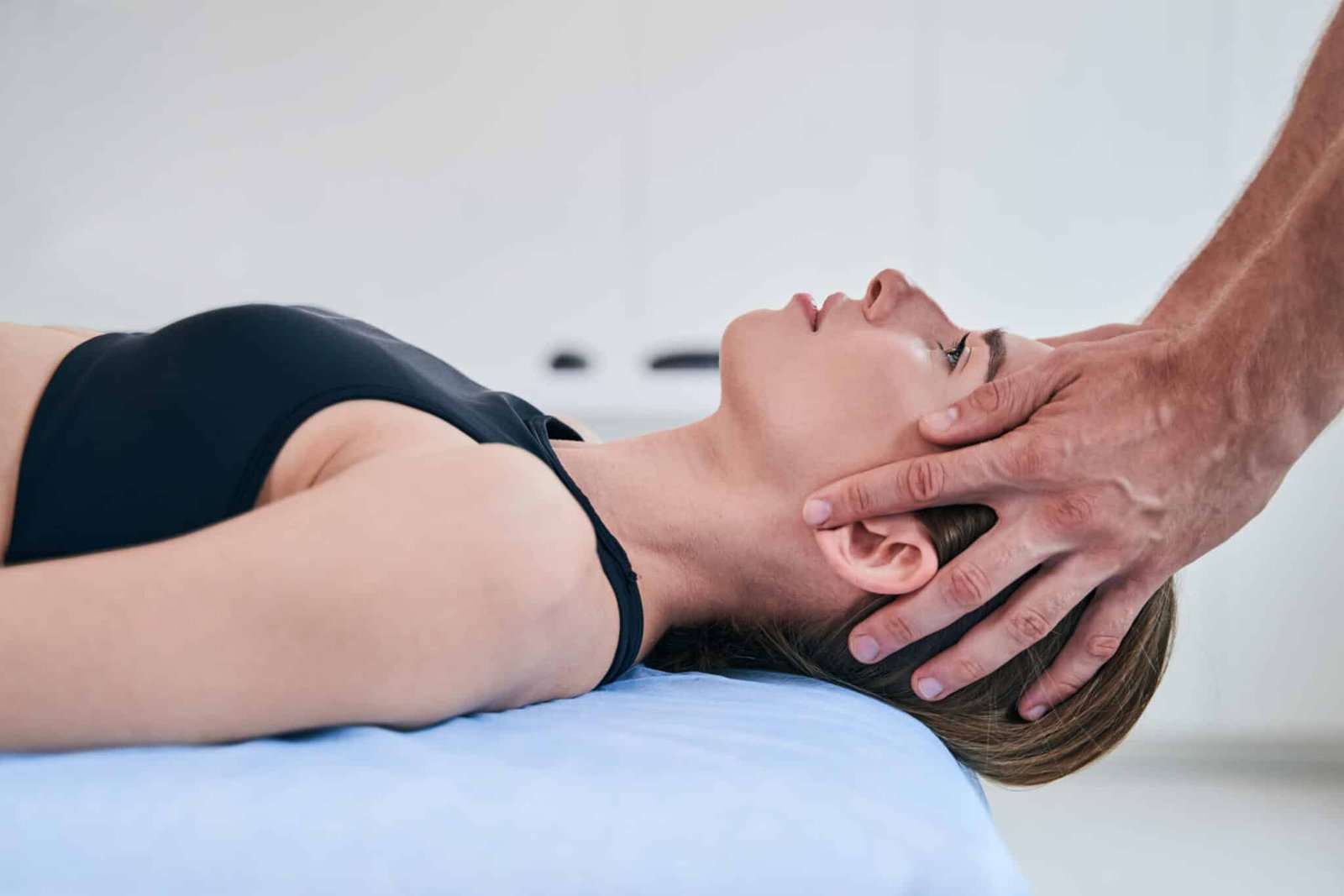
Feeling dizzy when you turn your head? Experiencing imbalance while walking? Do quick movements leave you feeling off-center? These symptoms are often linked to the vestibular system, a part of the inner ear and brain that helps control balance and eye movements.
Vestibular rehabilitation is a specialized form of therapy designed to reduce dizziness, improve balance, and restore confidence in daily movement. While working with a vestibular physiotherapist in Edmonton is important for proper assessment and guidance, certain exercises can be performed safely at home under professional direction.
Clinics such as Next Step Physiotherapy help individuals understand their condition and provide structured programs that combine in-clinic treatment with home-based exercises. In this article, we’ll explore how vestibular rehabilitation works and review exercises that are commonly recommended.
What Is Vestibular Rehabilitation?
Vestibular rehabilitation is a targeted physiotherapy approach that addresses dizziness, vertigo, balance problems, and visual disturbances caused by inner ear or neurological conditions.
Common conditions treated by a vestibular physiotherapist in Edmonton include:
-
Benign Paroxysmal Positional Vertigo (BPPV)
-
Vestibular neuritis
-
Labyrinthitis
-
Post-concussion dizziness
-
Persistent balance dysfunction
-
Motion sensitivity
The goal of therapy is to retrain the brain to compensate for inner ear dysfunction through repeated, controlled movements.
Why Home Exercises Matter
Vestibular recovery depends on repetition and gradual exposure. Performing exercises consistently helps the brain adapt to signals from the inner ear.
Home exercises:
-
Reinforce clinic-based treatment
-
Improve balance and coordination
-
Reduce sensitivity to head movements
-
Build confidence in daily activities
Before starting any exercise, it is important to receive guidance from a vestibular physiotherapist in Edmonton to ensure exercises match your specific diagnosis.
Common Vestibular Rehabilitation Exercises
Below are exercises often recommended as part of a home program. Perform them in a safe environment, preferably near a stable surface for support.
1. Gaze Stabilization Exercise (VOR x1)
This exercise helps improve coordination between eye and head movement.
How to do it:
-
Sit upright and hold a card with a letter at eye level.
-
Focus your eyes on the letter.
-
Slowly turn your head side to side while keeping your eyes fixed on the target.
-
Continue for 30 seconds.
Repeat 2–3 times.
You may feel mild dizziness. This is part of the adaptation process, but symptoms should settle shortly after stopping.
2. Gaze Stabilization with Movement (VOR x2)
This progression increases challenge.
How to do it:
-
Hold a target at eye level.
-
Move your head to the right while moving the card to the left.
-
Keep your eyes fixed on the target.
-
Continue for 30 seconds.
This exercise trains the brain to stabilize vision during more dynamic motion.
3. Brandt-Daroff Exercise
Often recommended for positional vertigo.
How to do it:
-
Sit upright on the edge of a bed.
-
Quickly lie down on one side with your head slightly turned upward.
-
Hold for 30 seconds or until dizziness subsides.
-
Return to sitting.
-
Repeat on the other side.
Perform 5 repetitions per side.
A vestibular physiotherapist in Edmonton can confirm whether this exercise is appropriate for your condition.
4. Balance Training: Feet Together
This exercise improves static balance.
How to do it:
-
Stand with feet together.
-
Keep arms crossed or at your sides.
-
Hold the position for 30 seconds.
To progress:
-
Close your eyes
-
Stand on a softer surface
Safety is important. Perform near a counter or wall.
5. Tandem Stance
This narrows your base of support and challenges balance.
How to do it:
-
Stand with one foot directly in front of the other.
-
Hold for 20–30 seconds.
-
Switch sides.
As balance improves, try this exercise without holding onto support.
6. Marching in Place
This improves dynamic balance.
How to do it:
-
Stand upright.
-
Slowly lift one knee, then the other, as if marching.
-
Continue for 30 seconds.
Progress by closing your eyes or reducing hand support.
7. Walking with Head Turns
This helps integrate movement into daily walking.
How to do it:
-
Walk in a straight line.
-
Turn your head slowly from side to side while continuing forward.
-
Keep your eyes level.
Repeat for 1–2 minutes in a safe, open space.
How Often Should You Do Vestibular Exercises?
Frequency depends on your diagnosis and tolerance. Many patients perform exercises:
-
1–3 times per day
-
5–7 days per week
Your vestibular physiotherapist in Edmonton will adjust intensity and duration based on symptom response.
Mild dizziness during exercise is expected. However, symptoms should decrease within 15–20 minutes after completing the session. If dizziness is severe or prolonged, consult your physiotherapist.
What to Expect During Recovery
Vestibular rehabilitation is gradual. Most people notice improvement within a few weeks, though timelines vary depending on the condition.
You may experience:
-
Temporary symptom flare-ups
-
Gradual reduction in dizziness episodes
-
Improved walking confidence
-
Better visual stability
Consistency plays a major role in progress.
At Next Step Physiotherapy, patients receive structured guidance and monitoring to ensure exercises remain appropriate and safe as recovery progresses.
When to See a Vestibular Physiotherapist
Home exercises are helpful, but professional evaluation is important if you experience:
-
Persistent dizziness
-
Spinning sensations (vertigo)
-
Frequent imbalance or falls
-
Blurred vision with head movement
-
Dizziness following concussion
-
Sudden changes in hearing
A vestibular physiotherapist in Edmonton conducts detailed assessments including:
-
Eye movement testing
-
Balance assessment
-
Positional testing
-
Gait analysis
This ensures exercises target the underlying cause rather than just symptoms.
How Vestibular Physiotherapy Supports Long-Term Balance
The brain has the ability to adapt, a process known as neuroplasticity. Vestibular exercises stimulate this adaptation, helping the brain rely more on visual and sensory cues when inner ear signals are inconsistent.
With proper guidance from clinics such as Next Step Physiotherapy, patients often regain confidence in:
-
Driving
-
Walking in busy environments
-
Using stairs
-
Returning to work
-
Participating in physical activity
Structured rehabilitation reduces the likelihood of long-term avoidance behaviors, which can otherwise prolong dizziness.
Safety Tips for Home Vestibular Exercises
-
Exercise in a well-lit area
-
Remove tripping hazards
-
Have a stable surface nearby
-
Avoid sudden, unsupervised progressions
-
Stop if you experience severe nausea or unusual symptoms
Regular follow-ups with a vestibular physiotherapist in Edmonton ensure exercises remain aligned with your recovery stage.
Final Thoughts
Vestibular rehabilitation exercises can play an important role in reducing dizziness and improving balance. While these home-based movements support recovery, they are most effective when guided by professional assessment.
If you are experiencing vertigo, imbalance, or post-concussion dizziness, consulting a vestibular physiotherapist in Edmonton can help identify the cause and develop a structured plan. Clinics like Next Step Physiotherapy provide individualized care, combining in-clinic treatment with home exercises to support gradual and steady improvement.
Recovery takes consistency and patience, but with the right approach, balance and confidence in movement can improve over time.
