- Haber Akışı
- KEŞFEDIN
- Sayfalar
- Etkinlikler
- Bloglar
-
 Hakkımızda
What Are the Basics of Meat Safety Standards?
Handling meat wrong at home sends people to emergency rooms every single week. Your kitchen might look clean but invisible germs live on counters and utensils everywhere. Government agencies created safety rules after studying what makes people sick from eating. Most families never learned proper meat handling so they repeat dangerous mistakes with their parents. Understanding basic protection steps prevents ruining dinner parties with food poisoning outbreaks happening later. Simple practices cost nothing yet save you from painful illnesses lasting days or weeks. This explanation covers what you really need to know about keeping meat safe.
What Temperature Rules Protect Against Bacteria Growth?
Keeping meat colder than 40 degrees stops most bacteria from multiplying inside your refrigerator. Hot food above 140 degrees kills germs so anything between these numbers becomes dangerous. The two hour rule means throw away meat left sitting out at room temperature. Frozen meat at zero degrees pauses bacterial growth but does not eliminate existing organisms. Thermometers checking internal cooking temperatures confirm safety better than guessing by color or texture. Meat safety standards depend heavily on maintaining correct temperatures from store shelves to dinner.
How Should You Separate Raw From Cooked Items?
Using the same cutting board for raw chicken then vegetables spread harmful bacteria invisibly. Wash your hands with soap for twenty seconds after touching any raw meat. Different colored boards help remember which ones touched raw versus ready items. Marinades that soaked raw meat cannot be used as sauce unless boiled first. Store raw meat on the lowest fridge shelf so dripping juices cannot contaminate others. Separation prevents cross contamination which causes more sickness than undercooked meat does actually.
Why Do Labels And Stamps Matter When Buying?
Circle stamps from USDA inspectors prove meat came from facilities following federal safety. Expiration dates printed on wraps tell you when freshness guarantees end completely. Grade marks like Choice describe quality level but do not confirm safety by themselves. Missing inspection stamps might mean meat came from uninspected sources risking your health. Always check dates before buying and never purchase meat past its stamped deadline. Butcher shops in CA must display proper licensing showing they follow required sanitation protocols.
What Storage Times Apply To Different Meat Types?
Ground beef goes bad faster than steaks because grinding exposes more surface to. Fresh chicken and turkey stay good only one to two days in refrigerators. Beef steaks and pork chops last three to five days when wrapped properly. Bacon and sausages keep about seven days if wraps remain sealed tightly closed. Freezing extends life for months though meat quality drops after too long frozen. Meat safety standards set maximum storage times based on scientific testing of bacterial growth.
How Does Wrapping Material Affect Meat Freshness?
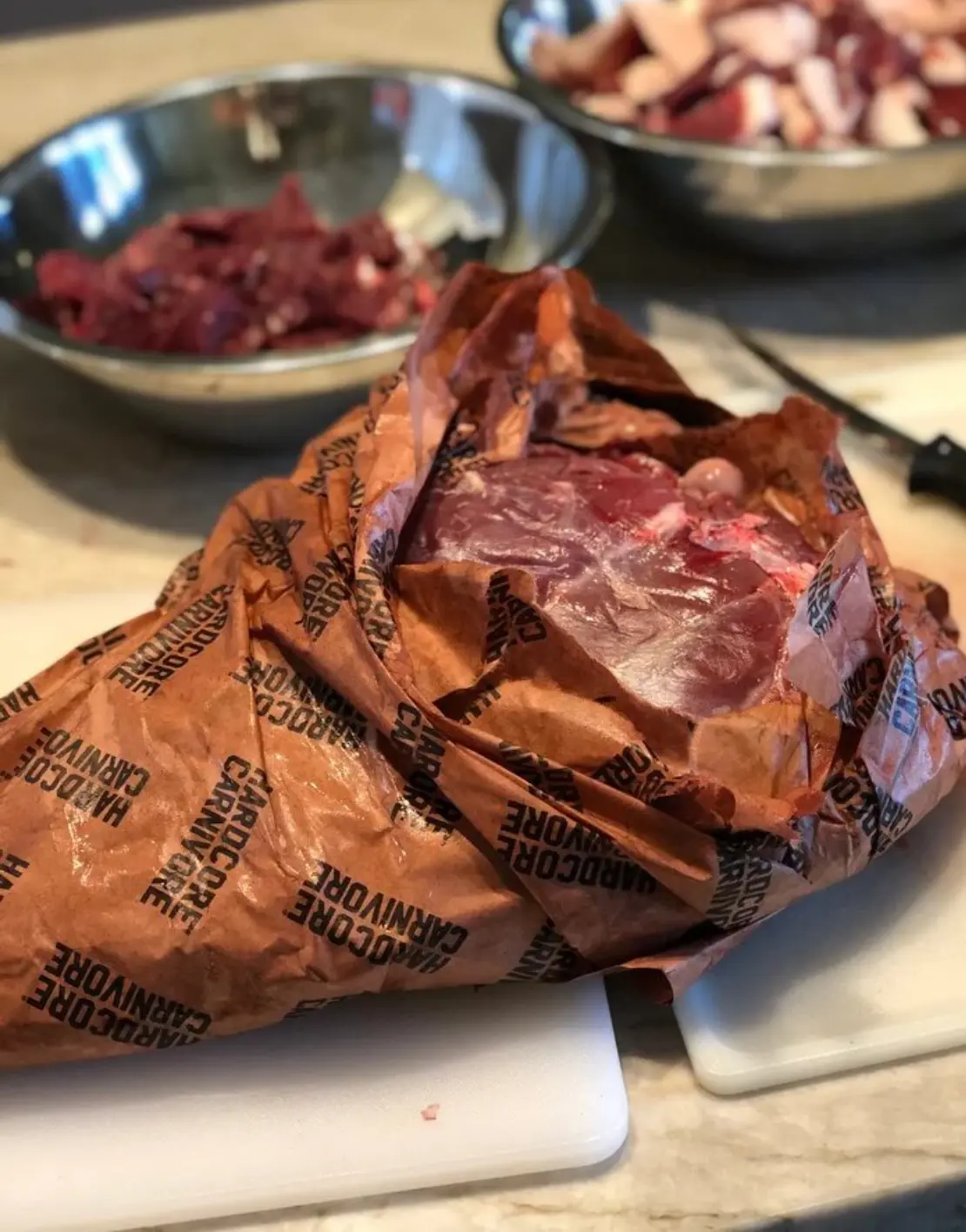
Tight plastic wrap keeps air away from surfaces where bacteria start growing first. Butcher paper roll allows slight breathing which some butchers prefer for aging certain cuts. Vacuum sealed wraps remove all oxygen creating a hostile environment for many bacteria types. Aluminum foil works for freezing but tears easily letting freezer burn ruin your. Kraft Paper provides natural wrapping that absorbs excess moisture during short term refrigeration periods. Rewrap store wraps that tear or leak to prevent juices spreading contamination around.
What Internal Temperatures Make Different Meats Safe?
Whole beef and pork need only 145 degrees since bacteria live on the outside. Ground meats require 160 degrees because grinding mixes surface bacteria throughout the entire product. All poultry must reach 165 degrees to kill salmonella that chickens naturally carry. Fish becomes safe at 145 degrees when flesh turns opaque and separates into flakes. Leftovers heated to 165 degrees kill anything that grew during refrigerator storage time. Insert thermometer into thickest part avoiding bone which conducts heat differently than muscle.
Why Are Thawing Methods Critical For Safety?
Counter thawing creates warm outer layers while insides stay frozen, breeding bacteria rapidly. Refrigerator thawing takes longer but keeps everything at safe cold temperatures throughout the process. Cold water thawing works if water gets changed every thirty minutes staying chilly. Microwave defrosting needs immediate cooking since some spots may partially cook during the process. Never refreeze meat thawed on counters because bacteria already multiplied to unsafe levels. Suppliers like Wax Papers Hub recommend proper thawing before wrapping meat for cooking later.
How Do You Spot Meat Going Bad?
Color changing from bright red to gray brown means oxidation and possible spoilage. Sticky or slimy coating on surfaces indicates bacterial waste products forming films there. Sour or rotten smells signal decomposition happening inside your meat wraps now. Excess liquid pooling shows cells breaking down releasing fluids that should stay inside. Any mold growth anywhere means discard everything immediately without tasting or cooking it. Visual inspection catches obvious problems but cannot detect all invisible bacterial contamination present.
What Cleaning Steps Prevent Kitchen Contamination?
Hot soapy water removes most bacteria from cutting boards after handling raw meat. Sanitizing with diluted bleach solution kills remaining organisms that soap leaves behind sometimes. Replace worn cutting boards with deep cuts where bacteria hide beyond cleaning reach. Wash dish sponges daily in the dishwasher or microwave to kill bacteria living inside. Clean refrigerator shelves weekly removing spills that harbor bacteria growth between cleanings done. Meat safety standards for commercial kitchens require sanitation schedules homes should copy for protection.
Why Should Home Cooks Learn Professional Standards?
Restaurants get inspected regularly so they follow rules or face closure and fines. Home kitchens cause plenty of food poisoning but health departments never check them. Learning what professionals do protects your family just as well as restaurant customers. Most people learned cooking from parents who also never got formal safety training. Children watching you cook will copy your habits good or bad throughout their lives. Following proven guidelines based on science prevents illnesses that ruin vacations and special occasions.