

- Haber Akışı
- KEŞFEDIN
- Sayfalar
- Etkinlikler
- Bloglar
-
 Hakkımızda
Do PPRC Pipes and Fittings Improve Water Flow Efficiency?
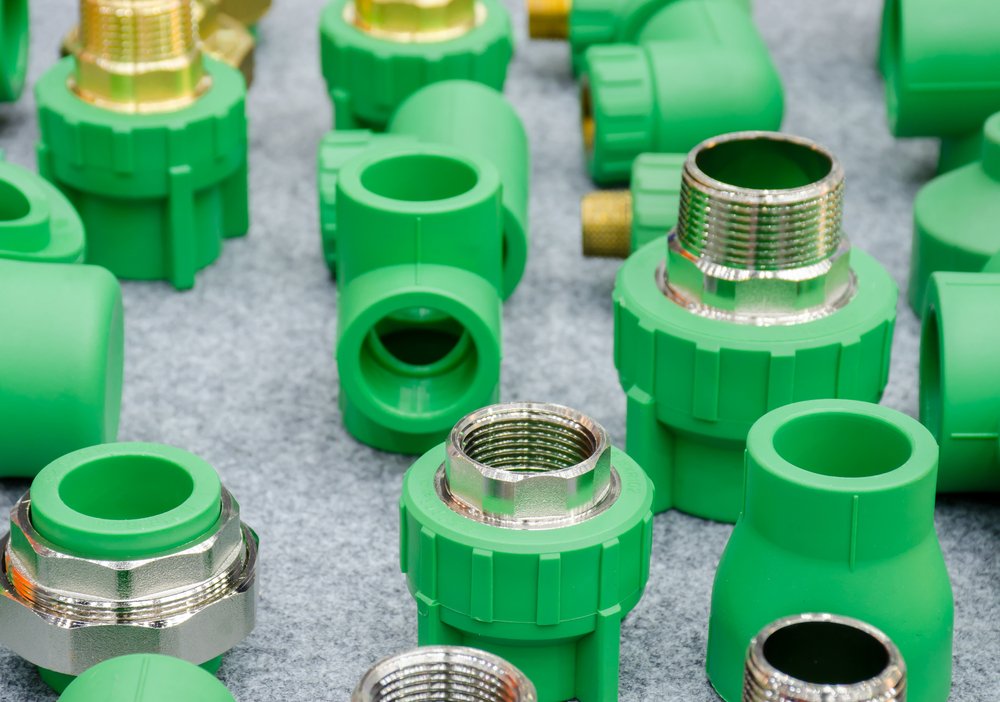
Water flow problems are often blamed on low supply or faulty pumps, but in many buildings, the real issue lies within the piping system itself. Even when pressure levels are acceptable, inefficient water movement can cause uneven flow, noise, and long waiting times at outlets.
Because of these challenges, builders and plumbers are increasingly evaluating how pprc pipes and fittings affect water behavior in daily use, especially in multi-story and high-demand buildings.
Smooth water movement is not about pressure alone; it is about what happens inside the pipe.
What Water Flow Efficiency Means in Real Use
Water flow efficiency is the extent to which water travels through a system without unnecessary resistance or loss. An efficient system ensures that water reaches every outlet with consistent pressure and minimal energy waste.
In practical building conditions, good flow efficiency results in:
- Balanced pressure across floors
- Reduced strain on pumps
- Steady performance during peak usage
The piping material plays a central role in achieving these outcomes.
Internal Surface Quality and Its Effect on Flow
The internal condition of a pipe directly affects how water moves. Rough or reactive surfaces slow water and gradually reduce usable pressure.
PPRC pipes are designed with smooth internal walls that remain stable over time. This smoothness prevents friction losses and allows water to move freely without interruption. Unlike materials that develop internal buildup, PPRC maintains its internal diameter for years.
A smooth interior helps preserve performance long after installation.
How Fittings Influence Water Movement
Flow efficiency is not determined by pipes alone. Fittings can either support smooth movement or disrupt it.
PPRC fittings are joined through heat fusion, creating a continuous internal pathway. This method avoids common problems such as:
- Internal steps at joints
- Gaps that cause turbulence
- Misalignment that restricts flow
When joints behave like part of the pipe itself, water moves without disturbance.
Pressure Stability During Daily Operation
Water demand changes constantly throughout the day. Multiple taps, appliances, and pumps operate simultaneously, causing pressure variations.
PPRC piping systems handle these changes effectively because the material responds evenly to pressure fluctuations. Pipes and joints remain stable under repeated cycles, which helps maintain consistent flow even during high-use periods.
Stable pipes support stable water delivery.
Long Term Flow Performance
Some piping systems perform well initially but lose efficiency over time due to internal scaling, corrosion, or joint wear.
PPRC systems resist these issues. Their internal surface does not react with water, and buildup is minimal. This long-term reliability is one reason contractors often rely on supply networks associated with PVC Pipe Manufacturers in Pakistan , where consistent production standards support dependable flow performance.
“A pipe proves its quality after years of use, not during the first test.”
Impact on Pumped Water Systems
In buildings that depend on pumps, inefficient piping increases energy consumption. Pumps must work harder to overcome internal resistance.
Because PPRC pipes reduce friction losses, they allow pumps to operate more efficiently. These results in:
- Lower energy usage
- Reduced mechanical stress
- More consistent pressure delivery
Over time, this efficiency supports both system reliability and operating cost control.
Comparison Table: Water Flow Efficiency
|
Feature |
PPRC Pipes |
Metal Pipes |
Older Plastic Pipes |
|
Internal Surface Over Time |
Remains smooth |
Degrades |
Partially stable |
|
Joint Flow Continuity |
Seamless |
Interrupted |
Inconsistent |
|
Pressure Loss |
Minimal |
High |
Moderate |
|
Scale Formation |
None |
Common |
Occasional |
|
Long-Term Flow Stability |
High |
Low |
Medium |
Frequently Asked Questions
Do PPRC pipes increase water pressure?
They do not increase pressure but help reduce losses, preserving available pressure.
Are fittings important for flow efficiency?
Yes, smooth and properly fused fittings help maintain uninterrupted water movement.
Can PPRC pipes perform well in low-pressure systems?
Reduced internal resistance helps improve performance in such systems.
Does temperature affect flow inside PPRC pipes?
Temperature changes do not affect internal smoothness or flow behavior.
Why does manufacturing quality matter?
Uniform walls and smooth interiors ensure predictable water movement.
Final Thoughts
Water flow efficiency is rarely visible, but it strongly affects daily comfort and system performance. PPRC pipes and fittings support efficient water movement by maintaining smooth internal surfaces, stable joints, and long-term reliability. These qualities help reduce pressure loss, improve balance, and support consistent water delivery over time.
“The best plumbing system is the one that works quietly in the background.”
