

 Hakkımızda
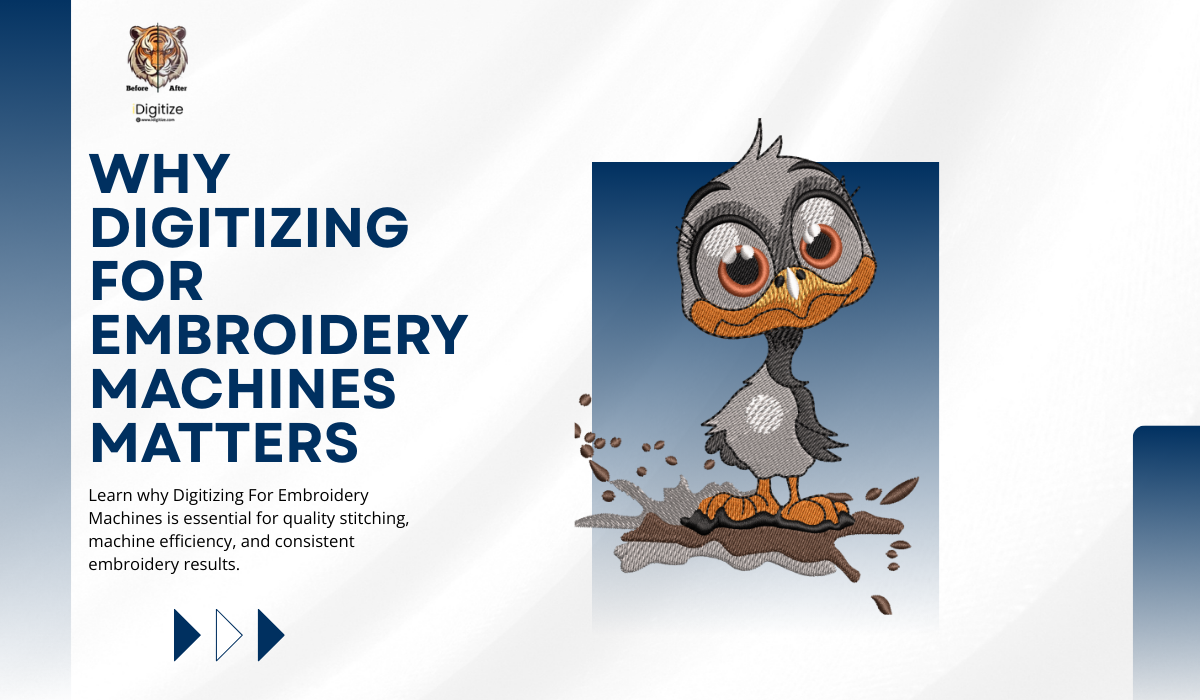
Embroidery quality does not depend only on thread or machine performance. The foundation of clean, professional stitching lies in how the design is prepared before production begins. Digitizing For Embroidery Machines is the process that converts artwork into structured stitch instructions, allowing machines to execute designs accurately. Without proper digitizing, even advanced embroidery machines cannot deliver consistent or high-quality results.
For businesses, apparel brands, and embroidery professionals, understanding the importance of digitizing is critical to maintaining production standards and customer satisfaction.
What Does Digitizing Actually Control?
An embroidery machine follows exact instructions from a digitized file. That file determines:
-
Stitch type
-
Stitch direction
-
Stitch density
-
Underlay structure
-
Thread sequence
-
Design size and placement
If these elements are not carefully configured, the final embroidery will show visible flaws.
Direct Impact on Stitch Quality
Clean Edges and Sharp Lettering
Small text and thin outlines require precise satin stitch planning. Poor digitizing can cause letters to blur or merge together.
Accurate digitizing ensures:
-
Clear spacing
-
Balanced stitch width
-
Proper compensation for fabric movement
Balanced Stitch Density
Density affects how tightly stitches are packed. Excessive density can lead to stiff designs and thread breaks. Low density can cause gaps in coverage.
Digitizing for embroidery machines balances density based on:
-
Fabric type
-
Thread thickness
-
Design size
Preventing Fabric Distortion
Different fabrics react differently to stitching. Knit fabrics stretch, woven fabrics shift slightly, and thick materials require additional stabilization.
Professional digitizing includes:
-
Pull compensation
-
Push compensation
-
Appropriate underlay
-
Stitch angle control
These adjustments prevent puckering and distortion.
Improving Machine Efficiency
Quality results are not only visual—they also depend on machine performance.
Poorly digitized files can cause:
-
Excessive trims
-
Long jump stitches
-
Thread breaks
-
Needle strain
Optimized digitizing improves stitch flow and reduces production interruptions.
Supporting Consistent Branding
For businesses producing uniforms or promotional apparel, consistency is essential. Every logo must look identical across multiple garments.
Digitizing ensures:
-
Accurate proportions
-
Uniform color sequencing
-
Clean layering
-
Repeatable results
Consistency protects brand reputation and builds client trust.
Handling Complex Artwork
High-detail logos, gradients, and layered designs require advanced planning. Without careful digitizing:
-
Small elements may disappear
-
Overlapping stitches may create bulk
-
Stitch count may increase unnecessarily
Digitizing for embroidery machines simplifies and structures complex artwork to maintain clarity and efficiency.
Long-Term Durability of Embroidery
Quality embroidery should withstand repeated washing and daily wear. Proper digitizing improves durability by:
-
Reinforcing critical areas
-
Managing stitch direction
-
Avoiding excessive thread tension
-
Supporting balanced coverage
Durable embroidery reflects professional craftsmanship.
Real-World Scenario: Corporate Polo Order
Imagine producing 1,000 embroidered polo shirts for a corporate client. If the digitized file lacks compensation adjustments for knit fabric, the logo may appear slightly compressed across all garments.
With proper digitizing:
-
Density is optimized
-
Underlay stabilizes the fabric
-
Stitch sequencing improves machine efficiency
-
Every shirt maintains consistent branding
This preparation ensures quality results across the entire order.
Why Beginners Often Overlook Digitizing
New embroidery users sometimes focus only on machine features. However, even the most advanced machine cannot correct a poorly structured file.
Learning or outsourcing proper digitizing for embroidery machines ensures professional results from the beginning.
When to Use Professional Digitizing Services
Professional services are especially important when:
-
Handling commercial orders
-
Working with small lettering
-
Producing 3D puff designs
-
Managing bulk production
-
Using multiple garment types
Experienced digitizers understand how to adapt files to real production environments.
Conclusion
Digitizing For Embroidery Machines is essential for achieving quality stitching, machine efficiency, and long-lasting results. It controls stitch type, density, sequencing, and compensation—factors that directly influence embroidery performance. Without proper digitizing, designs may distort, fabrics may pucker, and machines may experience unnecessary strain. Businesses and embroidery professionals who prioritize accurate digitizing benefit from consistent branding, smoother production workflows, and improved customer satisfaction. Quality embroidery begins with precise digitizing.
FAQs
1. Why is digitizing important for embroidery machines?
Digitizing converts artwork into structured stitch instructions that control the final embroidered result.
2. Can embroidery machines correct poor digitizing?
No. Machines follow the file exactly and cannot fix structural errors.
3. How does digitizing affect fabric?
It adjusts density and compensation to prevent puckering and distortion.
4. Does digitizing impact machine efficiency?
Yes. Optimized files reduce trims, thread breaks, and downtime.
5. Should complex designs always be professionally digitized?
Yes, especially for commercial or bulk production where quality consistency is critical.
