

- Haber Akışı
- KEŞFEDIN
- Sayfalar
- Etkinlikler
- Bloglar
-
 Hakkımızda
What Happens to My Vehicle Insurance After I Sell My Car for Cash?
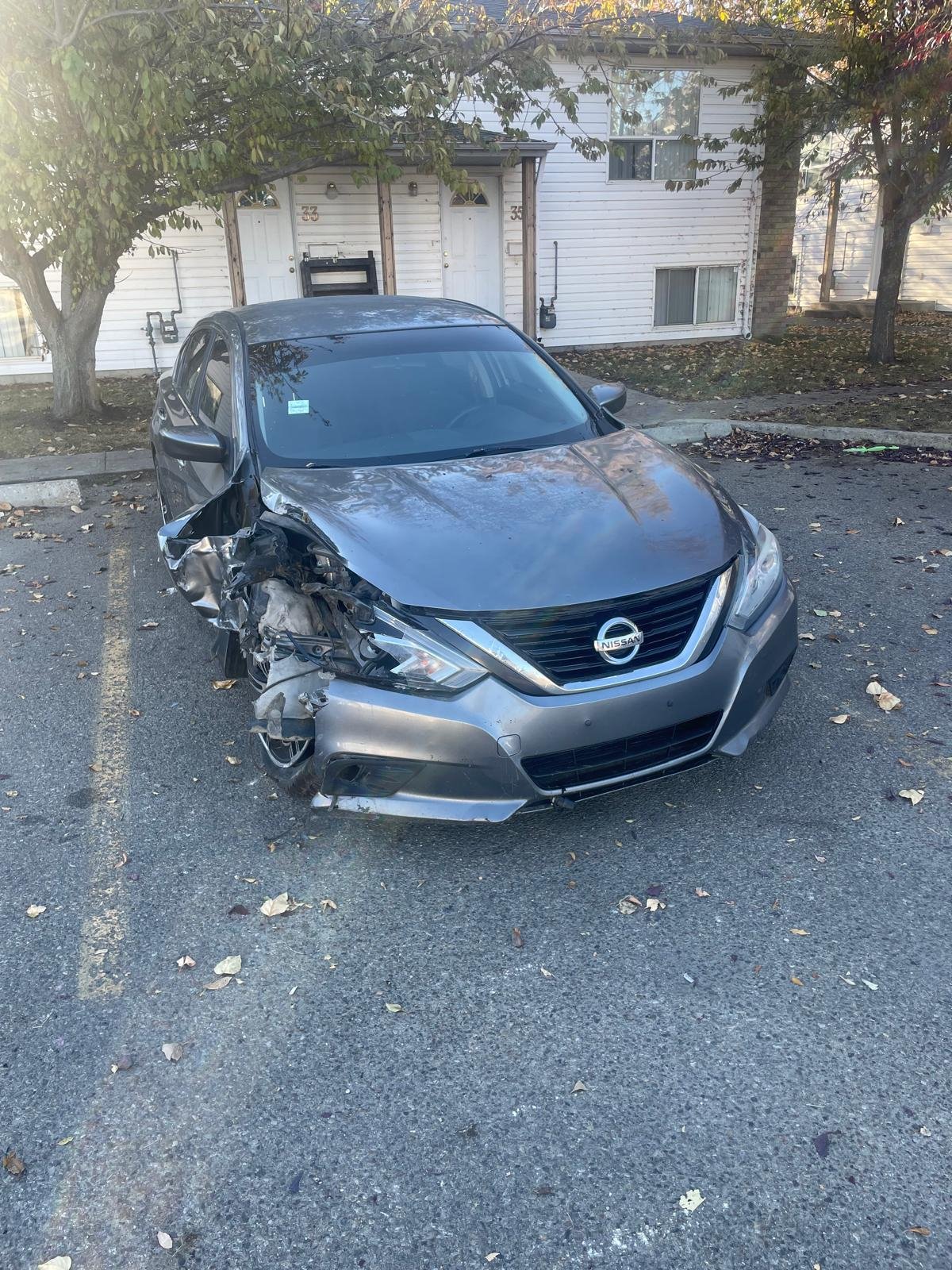
Selling your car for cash is an exciting and rewarding experience, but it’s crucial to understand what happens to your vehicle insurance once the transaction is complete. You might think that once the car is sold, your insurance automatically ends, but that’s not always the case. Failing to properly handle the insurance transition can result in unnecessary charges or even coverage gaps.
In this article, we’ll discuss what happens to your vehicle insurance when you sell your car for cash, the steps you need to take to cancel your policy, and other important considerations to ensure a smooth transition.
1. Understanding the Role of Insurance in the Sale Process
When you sell your car, you’re transferring ownership to someone else, but the car is still legally tied to your insurance policy until the sale is complete. For this reason, it’s important to consider the status of your vehicle insurance as part of the selling process. After selling the car, the insurer needs to be notified promptly so that you no longer have to pay for coverage you no longer need.
Here’s what typically happens:
- Before the Sale: Your car is still insured and covered under your existing policy, meaning that if something happens to it while it’s still in your possession, you’re protected.
- During the Sale: Once the car is sold but before the paperwork is finalized, your vehicle is still technically your responsibility, and your insurance policy is still valid.
- After the Sale: Once the car is officially transferred to the buyer and the sale is complete, you no longer need coverage for that vehicle.
2. Step 1: Notify Your Insurance Provider
After you’ve sold your car for cash, the first thing you need to do is contact your insurance provider. Each insurance company may have a slightly different process, but in general, you will need to provide information regarding the sale. This can include:
- The Date of Sale: Make sure to notify your insurer of the exact date when the car was sold. If you don’t, you might be charged for coverage on a vehicle you no longer own.
- Proof of Sale: Some insurance providers may request proof of sale, such as a bill of sale or the transfer of ownership documentation. This helps confirm that you no longer own the vehicle.
- The Buyer’s Information: While not always required, some insurers might ask for the buyer's name and contact details. This is usually relevant if you plan to transfer the insurance policy or if your insurer offers a transfer of coverage.
By informing your insurer of the sale, you can avoid paying for coverage on a vehicle you no longer own and prevent being charged for an extended period of time.
3. Step 2: Canceling Your Insurance Policy or Making Adjustments
Once you’ve notified your insurance company, you’ll have the option to either cancel your policy altogether or adjust your coverage. Let’s look at both options:
Canceling Your Policy
If you’ve sold your car and have no intention of purchasing another one immediately, you can cancel your vehicle insurance policy entirely. Keep in mind that some insurance companies may charge a cancellation fee, particularly if you cancel before the end of your policy term. If you’ve paid your premium annually, ask your insurer about receiving a refund for the unused portion of your policy.
Adjusting Your Policy
In many cases, you may not need to cancel your entire policy if you plan to buy another car soon. Instead, you can adjust your existing policy to reflect the change in ownership. This adjustment can be made by removing the sold vehicle from the policy and adding a new one. You’ll need to provide your insurer with information about your new car, including the make, model, year, and Vehicle Identification Number (VIN).
Some insurers even allow you to transfer the coverage from the old car to the new one temporarily, so there is no lapse in protection.
4. Understanding the Importance of Timing
One of the most important aspects of selling your car is the timing of your insurance cancellation or transfer. Here are a few tips to ensure you don’t have any issues with coverage:
- Don’t Cancel Too Early: It’s crucial not to cancel your policy until after the sale is finalized. If you cancel before the sale is complete, you might risk being held responsible for any accidents or damage that occur before the transfer of ownership.
- Be Aware of State Laws: Some states or provinces may have laws regarding when to cancel your vehicle insurance after selling a car. For example, in some places, you may be required to cancel your registration or insurance within a certain period after the sale. Be sure to check local regulations to avoid any penalties or confusion.
- Overlap Your Coverage: If you’re planning to buy another car soon after selling your current one, you may want to overlap your coverage temporarily to ensure you’re not without insurance at any point.
5. What Happens If You Don’t Cancel Your Insurance?
Failing to cancel or adjust your insurance policy after selling your car can lead to several unwanted consequences:
- Continued Charges: If you don’t cancel or update your insurance, your insurer will continue to charge you for the coverage, even though you no longer own the car. This can result in paying for a policy you don’t need.
- Lapse in Coverage: If you’re transferring your insurance to a new vehicle and don’t make the necessary changes, you could experience a lapse in coverage. This means you might not be covered if you’re involved in an accident with your new car.
- Potential Legal Issues: In some jurisdictions, it is required by law to maintain insurance on a vehicle that is registered in your name. If you fail to notify your insurer of the sale, you may inadvertently violate the law.
6. Refunds for Unused Insurance Premiums
If you’ve paid for a full year of insurance in advance, your insurer should refund you for the unused portion of the policy. The exact amount will depend on the timing of your cancellation. Be sure to inquire about this when you contact your insurance provider, as some companies may have policies regarding partial refunds.
7. What Happens If the Buyer Wants to Keep the Insurance?
In some cases, the buyer might want to keep the insurance policy that you had on the car. This is more common when you're selling to a private buyer. If this is the case, your insurer might allow you to transfer the policy to the buyer, but this is something that needs to be discussed with your insurance provider. You will likely need to provide the buyer's details and make the necessary adjustments to the policy.
8. Insurance for the Buyer
Once the sale is complete, the buyer will need to arrange their own vehicle insurance coverage. Make sure that the buyer has insurance in place before completing the sale, as driving without insurance can lead to legal consequences. It’s also worth noting that if the buyer doesn’t have immediate insurance, the car cannot be legally driven off your property.
Conclusion
Selling your car for cash is an exciting process, but it’s essential to stay on top of the insurance details. By following the proper steps, including notifying your insurer, canceling or adjusting your policy, and ensuring the buyer arranges their own coverage, you can avoid unnecessary charges and potential coverage gaps. Taking care of the insurance details promptly after selling your car will ensure a smooth transition and help protect you legally.
Always communicate with your insurance provider and check local laws to ensure you're fully compliant and avoid any surprises after the sale.
