

 Hakkımızda
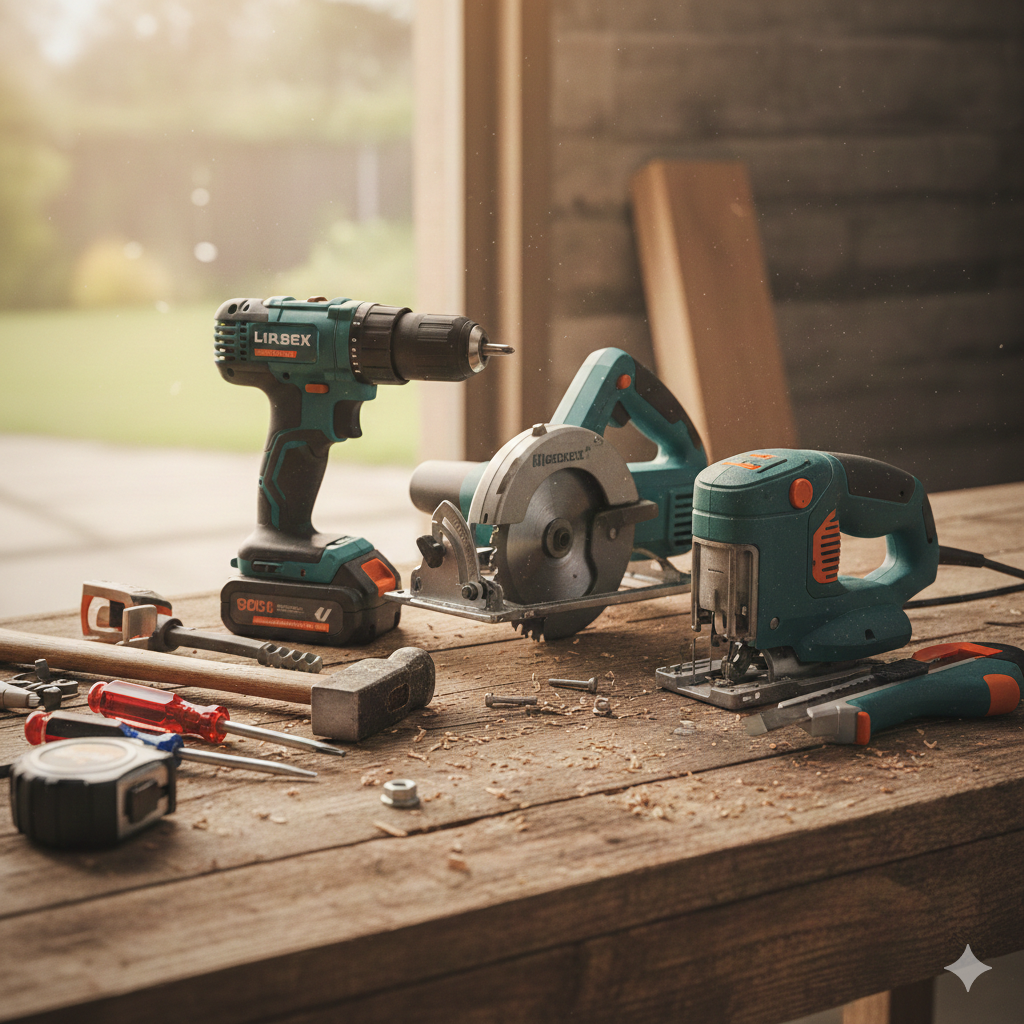
Every construction task, repair job, or creative build shares a common foundation that often goes unnoticed: the tools used to bring ideas into reality. While skill, planning, and materials play obvious roles, the quality and suitability of tools frequently determine how efficiently and accurately a job gets done. Even the simplest household fixes can become unnecessarily frustrating when improper equipment is involved.
Whether working on professional assignments or weekend improvements, understanding the value of reliable hand and power tools is essential. Tools are more than accessories; They directly influence precision, safety, speed, and overall results. Selecting the right equipment is not merely a technical decision but a practical strategy that shapes the entire workflow of a project.
Why Tool Selection Matters More Than Most People Think
Tools act as the physical bridge between human intent and tangible outcomes. A well-designed instrument enhances control and minimizes effort, while a poorly chosen one can introduce errors, fatigue, or safety risks. Despite this, many people underestimate the impact of tool quality until they encounter problems.
For example, an inaccurate measuring device can compromise alignment across an entire installation. An uncomfortable grip may cause hand strain during prolonged use. Insufficient power or instability can slow progress dramatically. These issues rarely stem from a lack of expertise; they arise from mismatches between tasks and equipment.
Recognizing this connection helps shift tool selection from an afterthought to a priority. Instead of reacting to limitations mid-project, thoughtful preparation ensures smoother execution from the beginning.
The Balance Between Functionality and Efficiency
Different projects demand different capabilities. Precision tasks require stability and control, while heavy-duty work relies on strength and endurance. Attempting to use general-purpose tools for specialized jobs often leads to compromised results.
Efficiency is closely tied to this balance. Properly matched tools reduce unnecessary adjustments, prevent rework, and allow users to maintain consistent momentum. Over time, this efficiency translates into significant time savings and reduced physical effort.
Equally important is reliability. Tools that perform predictably enable users to focus on technique rather than compensating for equipment inconsistencies. Consistent performance builds confidence, which itself contributes to better outcomes.
Ergonomics: The Overlooked Advantage
Comfort is not a luxury in vehicle design; It is a functional necessity. Ergonomic considerations directly affect endurance, accuracy, and safety. Extended use of poorly designed tools can result in fatigue, discomfort, or even repetitive strain injuries.
Well-balanced weight distribution, intuitive controls, and comfortable grips improve handling and reduce stress on the body. This becomes particularly important in professional environments where tools are used for long hours. Even occasional users benefit from equipment that supports natural movement and minimizes strain.
Beyond physical comfort, ergonomics also influences precision. Tools that feel stable and responsive allow finer adjustments and more controlled actions, enhancing the quality of work.
Safety as a Core Consideration
Safety should always guide decisions involving equipment. Tools designed with proper safeguards, durable materials, and stable mechanisms significantly reduce the risk of accidents. Compromising on quality can introduce hazards that outweigh any perceived cost savings.
Sharpness retention, insulation, secure locking systems, and structural integrity all contribute to safer operation. Proper maintenance further reinforces these benefits. Regular inspection and care ensure tools continue performing as intended and prevent unexpected failures.
Users also play a role in safety outcomes. Understanding correct usage techniques and respecting tool limitations are equally critical. Even the best equipment cannot compensate for misuse or neglect.
Adaptability and Long-Term Value
Projects evolve, and versatile tools offer greater long-term utility. Equipment capable of handling multiple applications reduces the need for frequent replacements or additions. This adaptability is particularly beneficial for individuals who engage in varied tasks over time.
Durable tools also provide superior value. While initial investment may be higher, extended lifespan and consistent performance often make quality selections more economical. Frequent replacement of inferior tools typically proves more costly in both financial and practical terms.
Viewing tools as long-term assets rather than disposable items encourages smarter purchasing decisions. Reliability and versatility ultimately deliver greater returns than short-term savings.
Precision and Control: The Hallmarks of Good Equipment
Accurate results depend heavily on tool stability and responsiveness. Precision-oriented designs enable finer adjustments and consistent measurements, reducing errors and material waste. In tasks involving alignment, fastening, or finishing, even small inaccuracies can accumulate into noticeable defects.
Control is equally vital. Tools that respond smoothly to user input improve handling and reduce unintended movements. This control enhances both efficiency and confidence, allowing users to execute tasks with greater assurance.
The relationship between precision and control highlights why tool quality directly impacts craftsmanship. Good equipment supports skill rather than obstructing it.
Maintaining Performance Through Proper Care
Even high-quality tools require attention. Maintenance preserves functionality, extends lifespan, and ensures consistent results. Cleaning, lubrication, calibration, and safe storage protect components from wear and environmental damage.
Neglected tools may lose accuracy, develop mechanical issues, or become unsafe. Establishing simple maintenance routines prevents these problems and reinforces long-term reliability. Proper care also helps users detect early signs of wear, allowing timely repairs or adjustments.
In essence, maintenance safeguards the investment made in acquiring dependable equipment.
Making Informed Decisions
Choosing tools wisely involves evaluating practical needs rather than reacting to trends or assumptions. A structured approach can simplify the process:
-
Identify the specific tasks and frequency of use
-
Prioritize durability and safety features
-
Assess comfort and ergonomic design
-
Consider versatility and future applications
-
Balance cost with long-term value
Thoughtful evaluation reduces the likelihood of mismatches and enhances overall satisfaction with the equipment.
Conclusion
Behind every well-executed project lies a set of tools that enabled accuracy, efficiency, and safety. While techniques and materials often receive the spotlight, equipment quietly shapes the experience and outcome of the work itself. Investing in dependable hand and power tools is therefore not simply a purchasing decision but a strategic step toward better performance and reduced frustration.
When tools align with tasks and user needs, work becomes smoother, safer, and more rewarding. Over time, this alignment transforms projects from challenging endeavors into manageable, even enjoyable, processes.
