

- Haber Akışı
- KEŞFEDIN
- Sayfalar
- Etkinlikler
- Bloglar
-
 Hakkımızda
ABR Test & ASSR Test | Hearing Assessment Guide
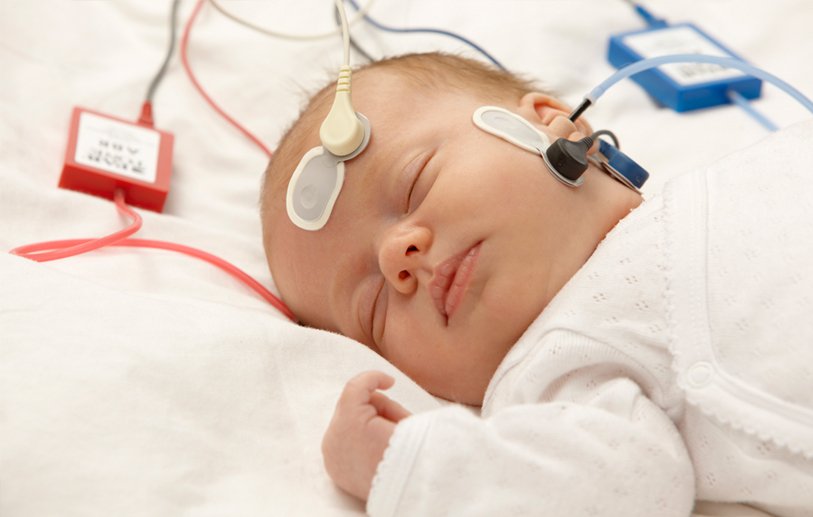
Hearing plays a vital role in communication, learning, and overall quality of life. When hearing concerns arise—especially in infants, young children, or individuals who cannot actively participate in standard hearing exams—specialized diagnostic tools are required. Among the most advanced and reliable methods are the abr test and the assr test. These objective hearing assessments help professionals evaluate how the auditory system responds to sound without requiring verbal feedback from the patient.
This comprehensive guide explains what the auditory brainstem response test and the auditory steady state response test are, how they work, who needs them, and how they contribute to accurate hearing diagnosis.
Understanding Objective Hearing Tests
Traditional hearing tests, such as pure-tone audiometry, depend on a person’s response to sounds. However, not everyone can reliably respond to these tests. Infants, toddlers, individuals with developmental delays, and those who are unconscious or uncooperative require alternative evaluation methods.
Objective hearing tests measure electrical activity in the auditory system directly. Instead of relying on patient participation, they record neural responses to sound stimuli using electrodes placed on the scalp. This approach provides highly accurate and measurable data about hearing function.
The abr test and assr test are two of the most commonly used objective hearing assessments worldwide.
What Is an ABR Test?
The abr test, also known as the auditory brainstem response test, is a diagnostic procedure that measures how the hearing nerve and brainstem respond to sound. It evaluates the electrical signals generated in response to auditory stimuli, such as clicks or tone bursts.
How the Auditory Brainstem Response Test Works
During the auditory brainstem response test:
-
Small electrodes are placed on the scalp and behind the ears.
-
Sounds are delivered through earphones.
-
The electrodes record electrical activity generated by the auditory nerve and brainstem.
-
A computer analyzes the waveforms to assess hearing sensitivity and neural function.
The test measures several waves that correspond to different points along the auditory pathway. By analyzing these waves, specialists can determine whether sound signals are being transmitted properly from the ear to the brain.
What the ABR Test Evaluates
The abr test helps identify:
-
Degree of hearing loss
-
Type of hearing loss (conductive or sensorineural)
-
Auditory nerve disorders
-
Brainstem pathway abnormalities
It is particularly useful in newborn hearing screening programs and in diagnosing neurological conditions affecting hearing.
What Is an ASSR Test?
The assr test, or auditory steady state response test, is another advanced objective hearing assessment. While similar in principle to the abr test, it uses continuous tones instead of clicks and can estimate hearing thresholds more precisely at specific frequencies.
How the Auditory Steady State Response Test Works
During the auditory steady state response test:
-
Electrodes are placed on the scalp.
-
Continuous, modulated tones are delivered to the ears.
-
The brain’s steady-state electrical responses are recorded.
-
A computer analyzes whether the auditory system detects the sound at various intensity levels.
Unlike traditional tests, the auditory steady state response test can test multiple frequencies simultaneously and estimate hearing thresholds in both ears at the same time.
What the ASSR Test Evaluates
The assr test is commonly used to:
-
Estimate frequency-specific hearing thresholds
-
Assess severe or profound hearing loss
-
Confirm results from other hearing tests
-
Assist in hearing aid fitting decisions
It provides detailed information across different pitches, making it valuable for comprehensive hearing assessments.
Key Differences Between ABR Test and ASSR Test
Although both tests measure electrical responses to sound, they differ in several important ways:
1. Type of Stimulus
-
The abr test uses brief sounds like clicks or tone bursts.
-
The assr test uses continuous modulated tones.
2. Frequency Specificity
-
The auditory brainstem response test provides general hearing threshold estimates.
-
The auditory steady state response test offers more precise frequency-specific threshold information.
3. Testing Approach
-
The abr test measures specific waveforms along the auditory pathway.
-
The assr test uses statistical detection methods to determine whether a response is present.
4. Application
-
The abr test is widely used for neurological assessment and newborn screening.
-
The assr test is often used for detailed threshold estimation, particularly in severe hearing loss cases.
In many cases, both tests are used together to provide a complete picture of auditory function.
Who Needs an ABR Test or ASSR Test?
These tests are commonly recommended for:
Newborns and Infants
Newborn hearing screening programs often use the auditory brainstem response test to detect hearing problems early. Early diagnosis supports timely intervention and language development.
Young Children
Children who cannot reliably respond to behavioral hearing tests may undergo the abr test or assr test to determine hearing levels accurately.
Individuals with Developmental or Cognitive Challenges
For individuals who cannot participate in standard audiometry, objective tests provide dependable results.
Patients with Suspected Neurological Issues
The auditory brainstem response test can help detect abnormalities in the auditory nerve or brainstem pathways.
Severe or Profound Hearing Loss Cases
The auditory steady state response test is particularly useful in estimating hearing thresholds when conventional methods are not effective.
What to Expect During the Test
Both tests are non-invasive and painless. However, the patient must remain still and quiet during the procedure.
Preparation
-
The scalp area is cleaned before electrode placement.
-
Infants may be tested during natural sleep.
-
Older children or adults may require sedation, depending on circumstances.
Duration
-
The abr test typically takes 30 to 90 minutes.
-
The assr test duration varies depending on the number of frequencies being tested.
After the Test
There is no recovery time for non-sedated patients. Results are analyzed and interpreted by hearing professionals to determine the next steps.
Advantages of Objective Hearing Tests
The abr test and assr test offer several advantages:
Accurate Results Without Active Participation
They do not require the patient to respond verbally or physically.
Early Detection of Hearing Loss
These tests allow early identification of hearing issues, especially in infants.
Frequency-Specific Assessment
The auditory steady state response test provides detailed frequency-specific information.
Neurological Insight
The auditory brainstem response test can detect auditory nerve and brainstem abnormalities.
Limitations to Consider
While highly effective, these tests have certain limitations:
-
They may require the patient to remain still for extended periods.
-
Background noise or movement can interfere with results.
-
In some cases, sedation may be necessary.
-
Additional tests may be required for a complete diagnosis.
Despite these limitations, the abr test and assr test remain among the most reliable objective hearing assessments available.
How These Tests Support Hearing Management
Accurate hearing diagnosis is essential for effective treatment planning. Information gathered from the auditory brainstem response test and auditory steady state response test can guide:
-
Hearing aid selection and programming
-
Cochlear implant candidacy evaluation
-
Monitoring of hearing changes over time
-
Medical or surgical decision-making
By providing measurable and objective data, these tests ensure that hearing interventions are based on precise auditory thresholds.
The Importance of Early Hearing Assessment
Hearing plays a critical role in speech and language development, academic success, and social interaction. Delayed diagnosis of hearing loss can affect communication skills and learning outcomes.
Objective tests like the abr test and assr test help detect hearing issues at an early stage, allowing timely intervention. Early action can significantly improve long-term communication and developmental outcomes.
Summary: A Reliable Path to Accurate Hearing Diagnosis
The abr test and assr test are advanced diagnostic tools designed to measure the auditory system’s response to sound objectively. The auditory brainstem response test evaluates neural pathways from the ear to the brainstem, making it essential for detecting both hearing loss and neurological abnormalities. The auditory steady state response test offers detailed, frequency-specific hearing threshold estimates, particularly useful in severe hearing loss cases.
Together, these tests provide comprehensive insights into hearing function without requiring active participation from the patient. Their accuracy, reliability, and ability to detect hearing problems early make them indispensable in modern hearing assessment.
Understanding how these tests work and when they are used empowers individuals and families to make informed decisions about hearing health. With precise evaluation through the abr test and assr test, hearing challenges can be identified clearly, allowing for timely and appropriate management that supports communication, development, and overall well-being.
More
