

- Haber Akışı
- KEŞFEDIN
- Sayfalar
- Etkinlikler
- Bloglar
-
 Hakkımızda
How Much Does a Digital Business Card Cost?
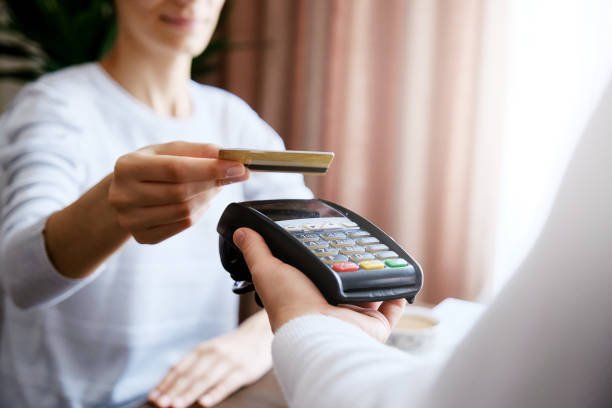
Remember the last time you handed someone a paper business card, only to wonder later if it ended up in a drawer, a trash can, or the bottom of their bag, never to be seen again? That's the quiet tragedy of traditional networking. But here's the good news — digital business cards have completely changed the game, and they're more affordable than most people think. Whether you're a solo freelancer trying to make a great first impression or a corporate team looking to modernize your brand presence, understanding the cost of digital business cards is the first step toward making a smart investment. So let's break it all down — from free tools to enterprise pricing — and help you figure out exactly what you should be paying for.
What Is a Digital Business Card?
A digital business card is an electronic version of your traditional contact card, shareable via a link, QR code, NFC tap, or even a text message. Platforms like HiHello, Blinq, Popl, Dot, and Linq have made it incredibly easy to create a sleek, interactive card that lives on your smartphone or in the cloud. Unlike paper cards, digital versions can include clickable phone numbers, social media links, portfolio URLs, and even embedded videos. They're dynamic, updatable in real time, and far more eco-friendly. For anyone serious about modern networking, understanding how these cards work is the foundation for understanding how they're priced.
Are There Free Digital Business Card Options?
Yes, and they're actually pretty decent for casual users. Platforms like HiHello, Blinq, and Canva offer free tiers that let you create a basic digital card without spending a dime. These free plans typically include one card, limited customization options, and a shareable link or QR code. The tradeoff? You'll usually see the platform's branding on your card, and advanced features like analytics, CRM integrations, and custom domains are locked behind paid plans. For someone just starting out or testing the waters, free options are a great low-risk entry point. But for professionals who want a polished, branded experience, free plans often fall short fairly quickly.
How Much Do Personal Plans Cost?
For individual professionals, digital business card pricing is surprisingly wallet-friendly. Most platforms offer personal or individual plans ranging from $2 to $10 per month, usually billed annually. For example, HiHello's personal plan runs around $4 per month, while Blinq Premium is available for approximately $2.99 to $4.99 per month. These plans typically unlock features like multiple card profiles, custom backgrounds, contact management, and the removal of third-party branding. If you're a freelancer, consultant, real estate agent, or entrepreneur who networks regularly, this price range is an absolute no-brainer. You're essentially paying less than a cup of coffee a month to make a memorable, tech-forward impression every time you meet someone new.
What Do Business and Team Plans Cost?
When you scale up to team or business plans, pricing shifts from per-person to per-seat models. Most platforms charge anywhere from $5 to $20 per user per month depending on the size of the team and features included. Popl Teams, for instance, offers plans starting around $6.49 per user per month when billed annually, while Linq for Business and Blinq for Teams fall in similar ranges. These plans typically include centralized admin dashboards, brand consistency controls, bulk card creation, employee onboarding tools, and advanced analytics. For a sales team, marketing department, or any company attending conferences and trade shows regularly, investing in a team plan ensures every employee represents the brand consistently — something paper cards have always struggled to guarantee.
What Do Enterprise Plans Typically Include?
Enterprise-level digital business card solutions are designed for large organizations with hundreds or thousands of employees. Pricing at this level is usually custom-quoted rather than publicly listed, but industry estimates suggest costs ranging from $15 to $30+ per user per month depending on the scale and integrations required. Platforms like Popl, Linq, Switchit, and Mobilo offer enterprise packages that include features such as Salesforce and HubSpot CRM integrations, SSO (single sign-on), white-label options, dedicated account managers, and GDPR-compliant data handling. For large enterprises, the ROI on these solutions can be substantial — eliminating printing costs, improving lead capture, and giving leadership full visibility into networking activity across the entire organization.
What About NFC-Enabled Physical Cards?
Here's where things get a little more interesting. Many digital business card companies also sell NFC-enabled physical cards — sleek cards made from metal, wood, or PVC that, when tapped against a smartphone, instantly pull up your digital card. These one-time purchases typically cost between $15 and $99, with premium materials like stainless steel landing at the higher end. Popl, Dot, Linq, and Mobilo are among the popular brands offering NFC cards. The physical card itself is a one-time cost, but you'll still need an active subscription to maintain your digital profile behind it. Think of the NFC card as the stylish hardware — the subscription is the software that powers it.
Are There Any Hidden Costs to Watch For?
Like any SaaS product, digital business card platforms can have a few sneaky extras worth knowing about. Some charge separately for custom domain names, which can add $10 to $20 per year. Others place limits on the number of contact saves or leads you can capture per month unless you upgrade. A few platforms monetize through add-on integrations — connecting your card to a CRM like Salesforce or a scheduling tool like Calendly might cost extra on lower-tier plans. Additionally, if you want white-label branding (meaning no platform logo anywhere on your card), that feature is almost always reserved for higher-tier or enterprise plans. Reading the fine print before committing to an annual plan is always a smart move.
How Do Digital Business Cards Compare in Cost to Paper Cards?
Let's put things into perspective. A box of 500 premium paper business cards from a quality printer typically costs between $30 and $150, and that's just one print run. Add in redesign costs, reprints when your information changes, and the environmental impact, and the numbers start to look less appealing. A digital business card at $4 per month costs about $48 per year — but you never have to reprint it, it updates instantly, and it can be shared with unlimited people. For businesses ordering cards for entire teams, the savings become even more dramatic. When you factor in the analytics, lead-capture tools, and the sheer convenience, digital cards aren't just cheaper — they're a smarter long-term investment across the board.
Which Platform Offers the Best Value for Money?
Value really depends on your specific needs, but a few platforms consistently stand out. Blinq is widely praised for its clean interface and low price point, making it ideal for individuals. HiHello offers strong customization at an affordable rate, especially for small teams. Popl shines for NFC hardware enthusiasts and teams who want robust analytics. Mobilo is a strong pick for enterprise clients thanks to its deep CRM integrations. Canva, while primarily a design tool, offers free digital card creation with beautiful templates for those who just want something visually impressive without a monthly subscription. Comparing your must-have features against each platform's pricing tier is the best way to identify where your money goes furthest.
Is a Digital Business Card Worth the Investment?
Absolutely — and the data backs it up. Studies suggest that 88% of paper business cards are thrown away within a week of being received. Digital cards, on the other hand, are clickable, shareable, and stored directly in someone's phone contacts or email. They eliminate the awkward "sorry, I ran out of cards" moment, work across borders without language barriers (thanks to multilingual profile options on some platforms), and give you real-time insight into who's actually engaging with your contact information. For professionals in industries like real estate, tech, finance, events, and sales, a digital business card isn't just a modern convenience — it's a competitive advantage that pays for itself after just one meaningful connection.
FAQ: Common Questions About Digital Business Card Costs
Q: Can I create a digital business card for free? Yes! Platforms like HiHello, Blinq, and Canva offer free plans that let you create and share a basic digital card. Free plans are a great starting point, though they typically include platform branding and limited features.
Q: How much should a small business expect to pay for digital business cards? For a small team of five to ten people, expect to pay somewhere between $25 and $100 per month on a team plan, depending on the platform and features you need. Annual billing almost always brings the cost down significantly.
Q: Do I need to buy a new NFC card if I change my job or contact details? No — that's one of the biggest benefits. You simply update your digital profile online, and the NFC card automatically reflects the new information when tapped. No reprinting required.
Q: Are digital business card subscriptions tax-deductible? In most cases, yes. Since they're a business tool used for professional networking and marketing, digital business card subscriptions are generally considered a deductible business expense. Always check with a tax professional for advice specific to your situation.
Q: What's the difference between a free and paid digital business card plan? Free plans usually offer one card profile, limited design options, and the platform's branding. Paid plans unlock features like multiple profiles, custom branding, analytics, CRM integrations, and contact management tools.
Q: Is there a one-time payment option instead of a monthly subscription? Some platforms offer lifetime access deals occasionally, particularly through marketplaces like AppSumo. However, most mainstream digital business card platforms operate on a subscription model. NFC physical cards are typically a one-time purchase separate from the subscription.
Q: How do I know which digital business card platform is right for me? Start by identifying your priorities — design flexibility, team management, NFC hardware, CRM integration, or price. Then compare platforms like HiHello, Blinq, Popl, Linq, and Mobilo against those needs. Most offer free trials, so you can test before committing.
